

Zoya, 27
I've prototyped my dream rishta down to the wireframes. All that's missing is you.





























Say salaam
Chat with me Chat ready
Pick a language, tap a quick reply — or just type your own message.

Fun compatibility quiz
Are we a vibe?
Five quick questions. No wrong answers — just for fun.
Quick facts
Tap a card
Your turn
Quick poll
Which should be Zoya's first date with her future partner?
Thanks — your vote is saved in this browser.
Keep the vibe going
Meet more profiles
Tap any card to open their page — chat, quiz, facts and polls are waiting inside.

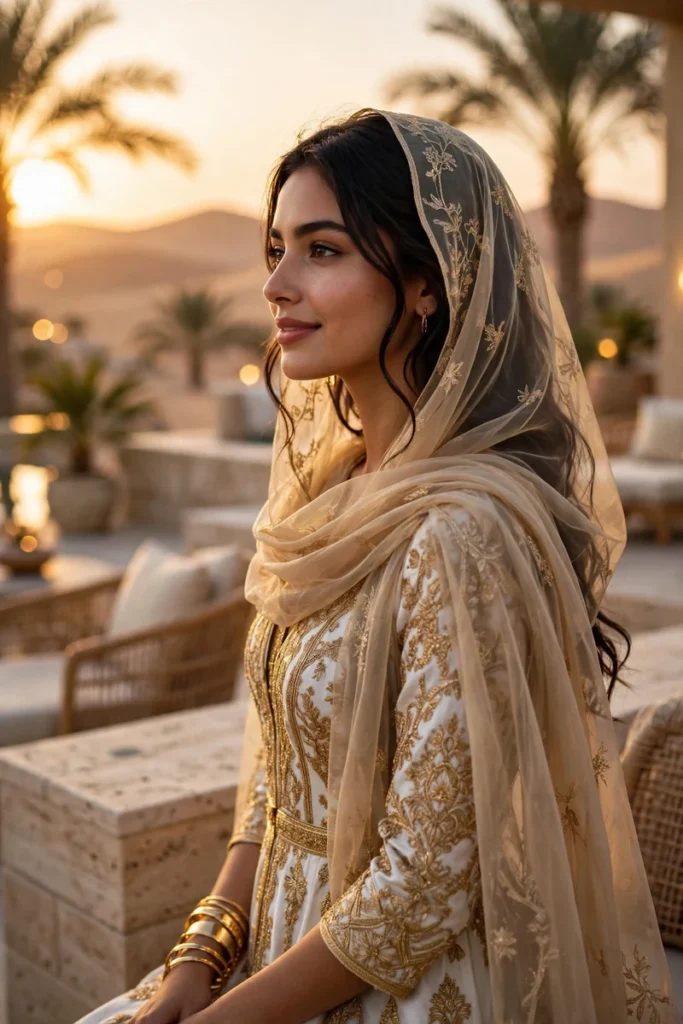

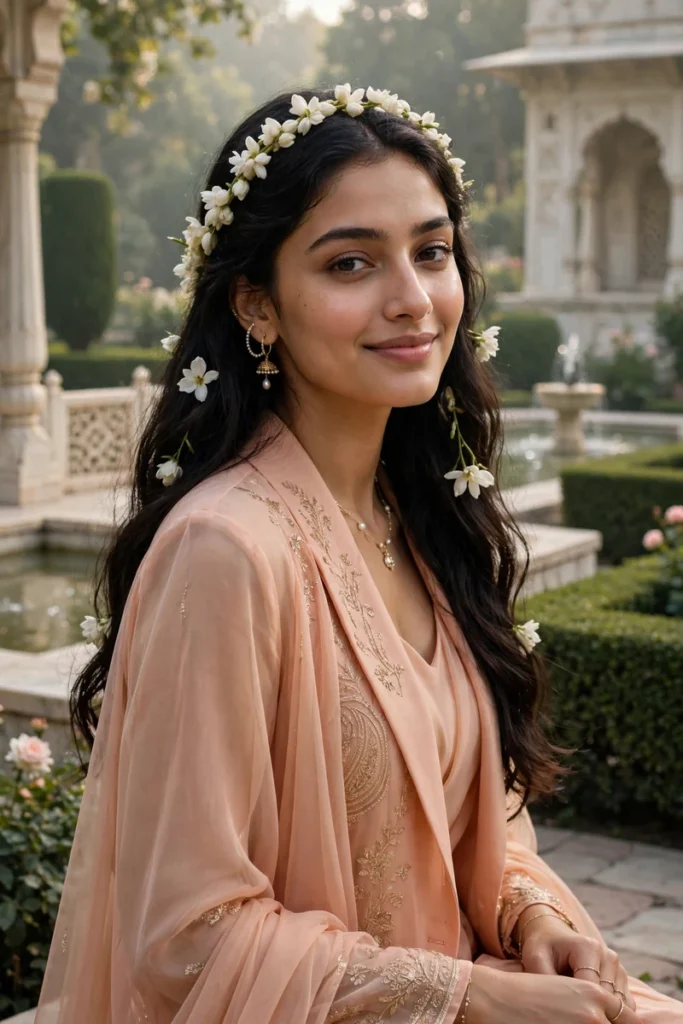
Every great design starts with observation, so let me observe my morning for you. 7 a.m.: my flat in Fitzroy fills with pale Melbourne light — the kind that changes its mind every ten minutes. The number 86 tram rattles past my window, right on schedule, which in Melbourne is basically a miracle. I make my flat white with the seriousness of a woman defusing a bomb — twenty years in this city and I still believe bad coffee is a moral failing. My housemate says I “UX” everything. She is right. I have strong opinions about our kitchen layout. The mugs are grouped by frequency of use. This is not a joke. This is information architecture.
I’m Zoya, twenty-seven, a UX designer, and I prototype everything — including, lately, my dream rishta. It started as a joke with my girlfriends: I made a user persona for my future husband. “As a kind, funny man aged 27–33, I want a partner who laughs at my jokes, so that we can be insufferable together.” We laughed for an hour. Then I made a journey map. Then wireframes. My best friend staged an intervention. I told her I was just being thorough. Honestly? I was just being thorough.
But here is the thing my job taught me: the best designs come from empathy, not checklists. I spend my days watching real people use the apps I design — the confused grandfather trying to book a doctor’s appointment, the tired nurse ordering groceries at midnight — and learning what they actually need versus what they say they need. Users lie in interviews, my mentor always says. They say they want more features; what they want is fewer worries. I think hearts work the same way. Nobody needs a perfect partner. Everybody needs a kinder interface.
Melbourne is the perfect city for a designer, because Melbourne is a city that was clearly designed by someone who loved surprises. The laneways — oh, the laneways. Hosier Lane with its ever-changing street art, Degraves Street smelling of espresso and rain, the hidden bars you only find if a friend of a friend draws you a map on a napkin. This city rewards curiosity. It hides its best parts and makes you earn them. I have lived here all my life, and Melbourne still usability-tests me regularly. I respect that.
My parents came here from Pakistan in the nineties with two suitcases and a mountain of ambition, and everything I am is built on their courage. Sunday dinners at their place in Coburg are sacred: my mother’s biryani, which has no rival — I have A/B tested this claim extensively — my father’s stories about the early days, my little brother stealing the raita. My mother keeps asking when I will “finalise the design” of my life, by which she means marriage. “Beta, you iterate on apps for months,” she says. “Your rishta is not a sprint, but it is also not a never-ending beta.” Fair point, Ammi. Fair point.
Design has ruined me in small, specific ways I should disclose upfront — full transparency, like a good privacy policy. I critique restaurant menus. (“The hierarchy here is a disaster.”) I once reorganised a friend’s wedding seating chart because the user flow was confusing. I cannot walk past a badly designed tram stop without sighing audibly. My friends have learned to warn waiters: “She’s a designer, she doesn’t mean it personally.” I do mean it personally. The kerning on that café sign is genuinely offensive.
But design has also given me my favourite things about myself. I am a world-class listener — user research trained me to hear what people mean, not just what they say. I am patient with iteration; I know that version one is never the final version, in products or in people. And I believe in accessibility as a philosophy: the best things in life should work for everyone, no manual required. Love included.
So what does the persona say I am looking for? Let me read you the final spec — version four, after much user testing, by which I mean long talks with my grandmother, who is the toughest stakeholder I have ever worked with. Must-haves: kindness, non-negotiable, like contrast ratios. Humour: I need a man who laughs — preferably at my jokes, mandatory at his own expense. Ambition with balance: ship great work, then actually log off. Nice-to-haves: decent coffee opinions, willingness to get lost in laneways, ability to assemble flat-pack furniture without crying. Deal-breakers: unkindness to service staff, or anyone who says “it’s just a website.”
My dream date is very Melbourne, and I have wireframed it extensively. We meet at a laneway café — I know twelve, I will let you pick. We get flat whites and walk, no destination, because the best user journeys are the unplanned ones. We find street art, we argue playfully about which tram route is superior — it is the 86, this is settled science — we end up at the gallery or the night market, and somewhere between the fairy lights and the dumplings, I stop observing and just experience. No notes. No prototype. Just the moment, shipping as-is.
Here is what I have learned after years of designing for humans: people do not remember the pixels. They remember how something made them feel — safe, delighted, understood. That is the experience I want to build now, with one specific co-designer: a home that feels like the best version of a Sunday, a partnership with great information architecture — everything in its place, especially us — and a love that passes the only usability test that matters. It just works, for both of us, every single day. So: hello. I’m Zoya. I have the persona, the journey map, and very strong coffee opinions. All that’s missing is you.
Profiles on F-Tinder PRO are fictional, AI-generated illustrations for entertainment. Chat replies are automated; quizzes and polls run in your browser. No real matches are guaranteed.
Engagement experience crafted by Azeem Rajpoot